Concrete Coloring vs. Concrete Tinting: Understanding the Differences
People seeking concrete coloring or tinting often want to enhance appearance or add durability, and local service providers can help achieve the desired look effectively.
If you’re exploring options to enhance the appearance of concrete surfaces, understanding the differences between concrete coloring and concrete tinting is a helpful first step. Property owners in the area often consider these treatments to improve curb appeal, increase property value, or simply refresh worn or dull surfaces. Whether updating a driveway, patio, or interior flooring, knowing which method aligns best with your aesthetic goals and practical needs can make a significant difference. Local contractors specializing in concrete finishing services can provide insights into these options, helping you choose the right approach for your project.
Continuing to learn about concrete coloring versus concrete tinting can reveal practical benefits and considerations for each method. Concrete coloring typically involves the use of pigments to create vibrant, long-lasting hues, while tinting often refers to applying a subtle shade or stain that enhances the natural look of the concrete. Both techniques are popular choices for adding character and style to concrete surfaces, and experienced service providers in the area can assist with the application process. Keep reading to discover how these options might fit into your plans and how local experts can help bring your vision to life.
- Concrete coloring services are ideal for property owners seeking vibrant or consistent color enhancements on existing concrete surfaces, with local contractors applying specialized stains or dyes. Concrete tinting is often chosen when a subtle, uniform hue is desired to improve the appearance of driveways, patios, or walkways, with service providers using tinting techniques to achieve the desired shade. Local pros approach concrete coloring by using high-quality stains and dyes to deliver long-lasting, vivid results tailored to client preferences. For concrete tinting, contractors focus on applying transparent tints that enhance the concrete’s natural look while providing a consistent color finish. Both types of services are available through service providers experienced in customizing concrete surfaces to match aesthetic goals.

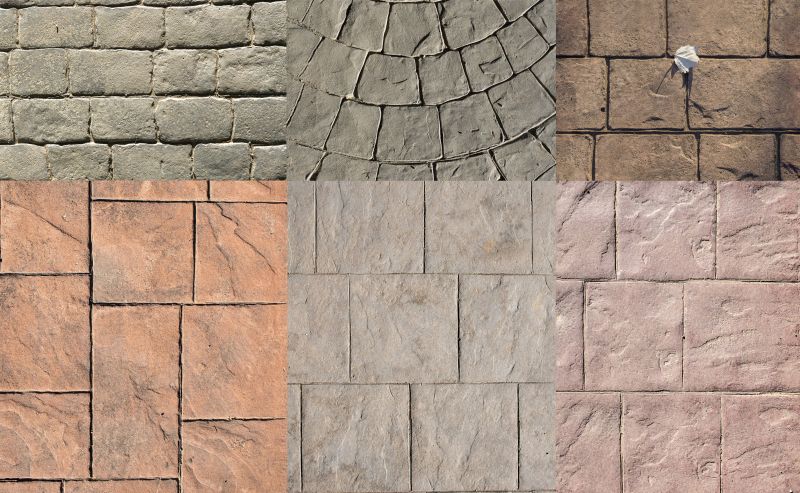
When homeowners search for information about concrete coloring versus concrete tinting, they are often trying to understand how these decorative options can enhance their property’s appearance. Both techniques are popular ways to add color to existing or new concrete surfaces, but they serve different purposes and produce distinct results. People typically explore this topic when planning upgrades to driveways, patios, walkways, or interior floors, aiming to improve curb appeal or create a specific aesthetic. Understanding the differences helps homeowners choose the right service provider for their project, ensuring the finished look aligns with their vision and the property's overall style.
Concrete coloring and concrete tinting relate to different methods of adding color to concrete surfaces, and each addresses specific homeowner needs. Concrete coloring generally involves applying powders, dyes, or stains that penetrate the surface to create vibrant or subtle hues. It is often used to produce consistent, long-lasting color effects on new or existing concrete. In contrast, concrete tinting typically refers to the application of liquid tints or dyes that can be used to achieve more nuanced, translucent, or layered color effects. This technique is often chosen for decorative projects where a more artistic or customized appearance is desired. Knowing these distinctions helps property owners communicate effectively with local contractors, who can recommend the best approach based on the project’s goals.
The types of properties that frequently feature concrete coloring or tinting include residential homes, commercial buildings, and public spaces. Residential projects often involve enhancing driveways, patios, pool decks, or interior flooring with a decorative touch. Commercial properties might use these techniques to create eye-catching storefronts, walkways, or outdoor seating areas. Public spaces such as parks or community centers may incorporate colored concrete for aesthetic appeal and to define different areas. Local service providers specializing in concrete coloring or tinting are experienced in working with various property types, understanding how different surfaces and uses influence the choice of coloring method. This ensures that each project not only looks attractive but also withstands the demands of daily use.
For homeowners considering concrete coloring or tinting, understanding how these services connect to real projects makes choosing the right local contractor easier. Whether the goal is to add vibrancy to a plain concrete surface or to create a subtle, artistic effect, professional applicators can help determine the best technique and materials for the job. They handle surface preparation, application, and finishing to ensure durable, attractive results. By working with experienced local contractors, property owners can achieve the desired aesthetic while ensuring the work is done efficiently and with attention to detail. This knowledge helps homeowners make informed decisions that enhance their property’s appearance and value through the right decorative concrete solutions.
Stamped concrete projects - professionals skilled in concrete coloring and tinting often also handle stamped concrete, requiring similar planning and surface preparation techniques.
Concrete sealing and finishing - local contractors offering coloring or tinting services frequently provide sealing and finishing to enhance durability and appearance.
Decorative concrete overlays - applying overlays involves surface preparation and coloring techniques comparable to those used in concrete tinting and coloring processes.
Garage floor coatings - service providers specializing in concrete coloring or tinting often also install decorative or protective coatings for garage floors.
Patio and walkway resurfacing - resurfacing projects utilize similar skills in surface prep and coloring application as those used in concrete tinting and coloring.
Concrete staining services - staining is closely related to concrete tinting, with many local contractors offering both to achieve decorative effects on existing concrete surfaces.
When evaluating service providers for concrete coloring or concrete tinting, it’s important to consider their experience with similar projects. Contractors who have handled a variety of decorative concrete applications are more likely to understand the nuances of different coloring techniques and how they can be applied to achieve the desired aesthetic. Asking about past work or requesting references can provide insight into their familiarity with both concrete coloring and tinting processes, ensuring they have the practical knowledge needed to deliver quality results.
Clear written expectations are essential when comparing local contractors for concrete coloring versus tinting services. A reputable service provider should be able to explain the differences between these techniques, including the types of finishes, color longevity, and maintenance requirements. Having detailed, written descriptions of what each process entails helps ensure that the homeowner and the contractor are aligned on project scope and outcomes. This clarity can prevent misunderstandings and ensure that the chosen method aligns with the homeowner’s vision for their space.
Effective communication and reputable references are key indicators of a reliable contractor. Good communication involves promptly answering questions, providing comprehensive explanations, and listening carefully to the homeowner’s preferences. Additionally, seeking references or reviews from previous clients can reveal how well the contractor manages projects similar to the one at hand. Service providers with a track record of satisfied clients and transparent communication are more likely to deliver a positive experience, whether performing concrete coloring or tinting services.
Property owners often search for concrete coloring vs. concrete tinting: understanding the differences when they are planning practical projects around their homes and businesses. Local pros provide Concrete Coloring or Concrete Tinting services for everyday jobs and straightforward project options.
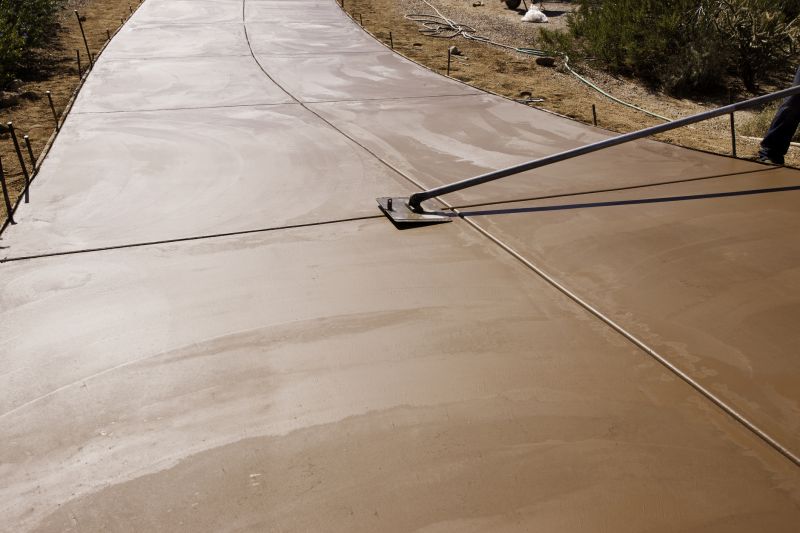
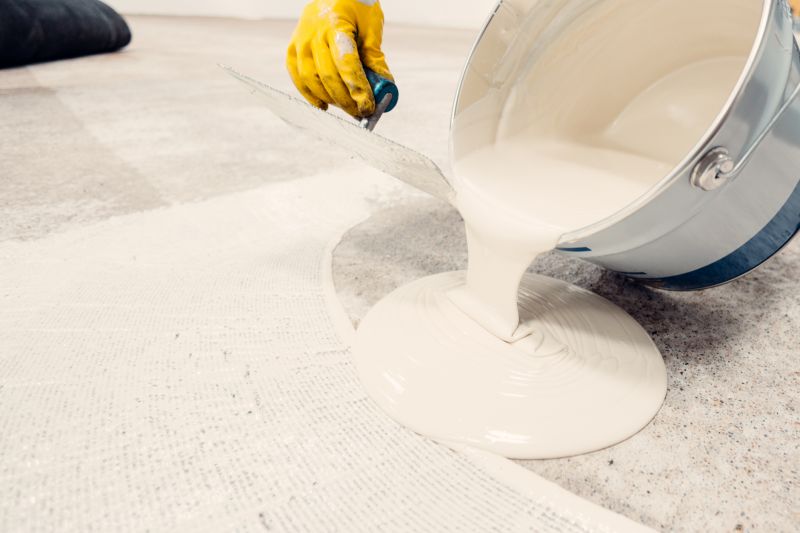
Understanding the differences between concrete coloring and concrete tinting is helpful for property owners considering upgrades to their driveways, patios, or walkways. Concrete coloring typically involves applying a pigmented stain or dye to achieve a consistent, solid color across the surface, making it a popular choice for those looking to add a uniform, vibrant look. On the other hand, concrete tinting often refers to the use of subtle color enhancements that can highlight the natural texture of the concrete, creating a more varied and textured appearance. Homeowners in the area might explore these options to match existing exterior styles, boost curb appeal, or simply refresh worn surfaces.
Many property owners turn to local contractors for guidance on which technique best suits their needs, budget, and aesthetic goals. These service providers can help determine whether concrete coloring or tinting will deliver the desired visual effect, considering factors like surface condition and long-term durability. Whether seeking a bold, solid color or a more nuanced, textured finish, local pros can provide insights and services to help achieve a customized look that enhances the property's overall appearance.
What is the main difference between concrete coloring and concrete tinting? Concrete coloring involves adding pigments to achieve a wide range of colors, while concrete tinting typically refers to applying a subtle stain or dye to enhance the existing concrete's appearance. Local contractors can help determine which method best suits specific project needs.
How do concrete coloring and tinting affect the appearance of concrete surfaces? Concrete coloring provides vibrant, consistent colors throughout the material, whereas tinting offers more translucent, natural-looking enhancements. Service providers can advise on the most suitable option for achieving the desired aesthetic.
Are concrete coloring and tinting suitable for outdoor or indoor applications? Both options can be used outdoors or indoors, but their durability and finish may vary depending on the environment. Local pros can recommend the best choice based on the location and usage of the concrete surface.
Can concrete coloring or tinting be applied to existing concrete surfaces? Yes, both methods can be applied to existing concrete, with coloring typically penetrating deeper for long-lasting color, and tinting often used as a surface stain. Contractors experienced in these services can ensure proper application for lasting results.
What are the typical finishes or effects achievable with concrete coloring and tinting? Concrete coloring offers solid, uniform colors, while tinting can produce variegated or mottled effects for a more natural look. Local service providers can help select the best technique to match the desired style.
Choosing the right finish - property owners can explore how concrete coloring or tinting can enhance outdoor patios or walkways with the help of local contractors.
Designing custom looks - homeowners might consider using coloring techniques to match existing landscaping or architectural styles through professional services.
Maintaining color integrity - property owners can learn how proper sealing and care, provided by local pros, help preserve the appearance of colored or tinted concrete over time.
Understanding durability options - individuals can discuss with local contractors which method offers better resistance to wear and weather for their specific project needs.
If you are thinking about concrete coloring vs. concrete tinting: understanding the differences for a property, this guide is meant to help you understand this topic, the typical project types, and how different options might fit your plans.
When you are ready, you can use the quote form on this page to share a few details about your project. From there, local pros can review the basics and follow up with options that match what you have in mind.